No One Needs to Buy Your House
Pricing

Pricing
A seller once told me, with real conviction, that they had just "given up" twenty thousand dollars in a price reduction, and that the buyer needed to keep that in mind when the inspection turned up a list of repairs. I understood the feeling behind it, but I did not agree with the math.
That twenty thousand dollars was never real money. It was never given up. It was simply the amount the market had already told this seller, through weeks of showings and silence, that their home was not worth. A price reduction is not a gift to a future buyer. It is a correction, an acknowledgment that the original number was wrong. If a seller lists a home worth five hundred thousand dollars at a million, fails to sell it, and eventually reduces it back down to five hundred thousand, they have not given anyone five hundred thousand dollars. They have simply arrived, later than they needed to, at the truth.
This matters because it points to something larger, something I think every seller benefits from hearing plainly: no one needs to buy your house. Not this house, not at this price, not on this street. Buyers have options, and they will always weigh your home against everything else available to them at a similar price point. Your job, and mine, is to make your home the obvious choice among those options. That is not accomplished through wishful thinking or sentimental attachment to a number. It is accomplished through accurate pricing and honest presentation, informed by a market that is always moving and rarely waits for anyone to catch up.
Pricing Is Not a Feeling
Every seller believes their home is a little bit special, and often it is. But there is a difference between a home that is genuinely rare and a home that simply feels rare to the person who has lived in it for years. Scarcity can and often does affect price, but only when it works in your favor. A home can be rare because of its architecture, its lot, its light, its history. It can also be rare because it has a floor plan no one wants, or sits on a road no one likes, or was updated in ways that do not suit the neighborhood. Rarity is not automatically an asset. It has to be rare for the right reasons.
If a home is not particularly rare, and most homes are not, then the path to a sale is straightforward, if not always comfortable to hear. The home needs to show better than the competition, and it needs to be priced at or below the competition. Do both, and it will sell. Do neither, and it will sit, regardless of how much money is spent on photography or how many open houses are held. Marketing can make a fairly priced, well presented home sell faster. It cannot make an overpriced home sell at all.
The Work of a Seasoned Agent
This is where an experienced agent earns their fee, and it is not primarily in the marketing. It is in the pricing conversation at the start, and it is in recognizing, honestly and early, when a price needs to move. Markets shift. What was a fair number in March may not be a fair number in June. A good agent watches for those shifts and says something before the listing grows stale, because a home that sits too long accumulates a kind of suspicion in buyers' minds, whether or not that suspicion is fair.
This requires a willingness to have an uncomfortable conversation, sometimes more than once. I would rather have that conversation early and directly than let a listing drift for months on hope. The sellers who get this are the ones who understand that a price reduction is not a failure. It is simply the market speaking, and the sooner we listen, the better the outcome tends to be.
What Happens Next
Here is the part sellers often misunderstand. Once a home is priced correctly and an offer comes in, the inspection process is a separate negotiation with its own logic. If repairs come to light, the buyer's request for concessions has nothing to do with whatever reduction happened earlier in the listing. The earlier reduction was the market correcting the price to reflect actual value. The inspection request is about a specific, identifiable problem with the property. Treating the two as connected, as if the buyer owes the seller some deference because of the earlier number, is a misunderstanding of how these things work, and holding onto it tends to sour or overcomplicate negotiations that would otherwise be simple.
The sellers who do best are the ones who can hold two things at once: a clear-eyed view of what their home is actually worth in the current market, and a willingness to let that number, not their attachment to a different one, guide the decisions that follow. That is not a defeatist way to sell a home. It is, in my experience, the only way that consistently works.
None of this is meant to discourage. A home that is priced and presented honestly tends to sell well, and the process tends to feel good for everyone involved, seller and buyer alike. If you are considering a sale and would like a candid, well informed read on where your home stands in today's market, I would welcome the conversation.
Pricing
Why pricing, not marketing, decides whether a listing sells

What Investors Get Wrong About Historic Home Renovation
Investing
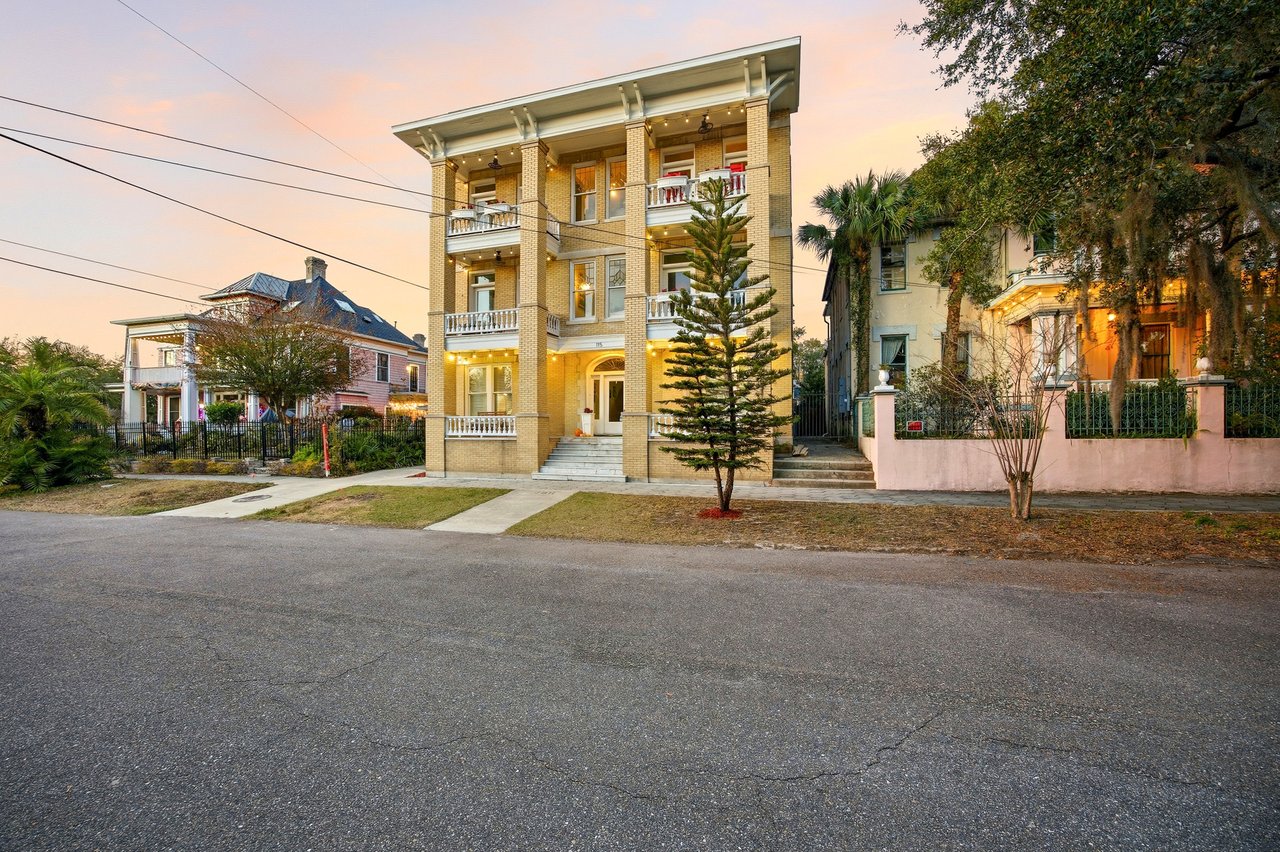
A story about Historic Springfield, what makes a neighborhood turn, and one 1906 brick building that has been waiting patiently for the right person to find it.



Here’s how to move from plan to action.
Belle Epoque Realty offers the very best service possible in terms of communication with clients and overall results. To empower real estate customers with education and choice while elevating the respectability of the profession with high-quality, consistent, and innovative service delivery.