Historic Homes Are Not For Everyone (And That's Exactly The Point)
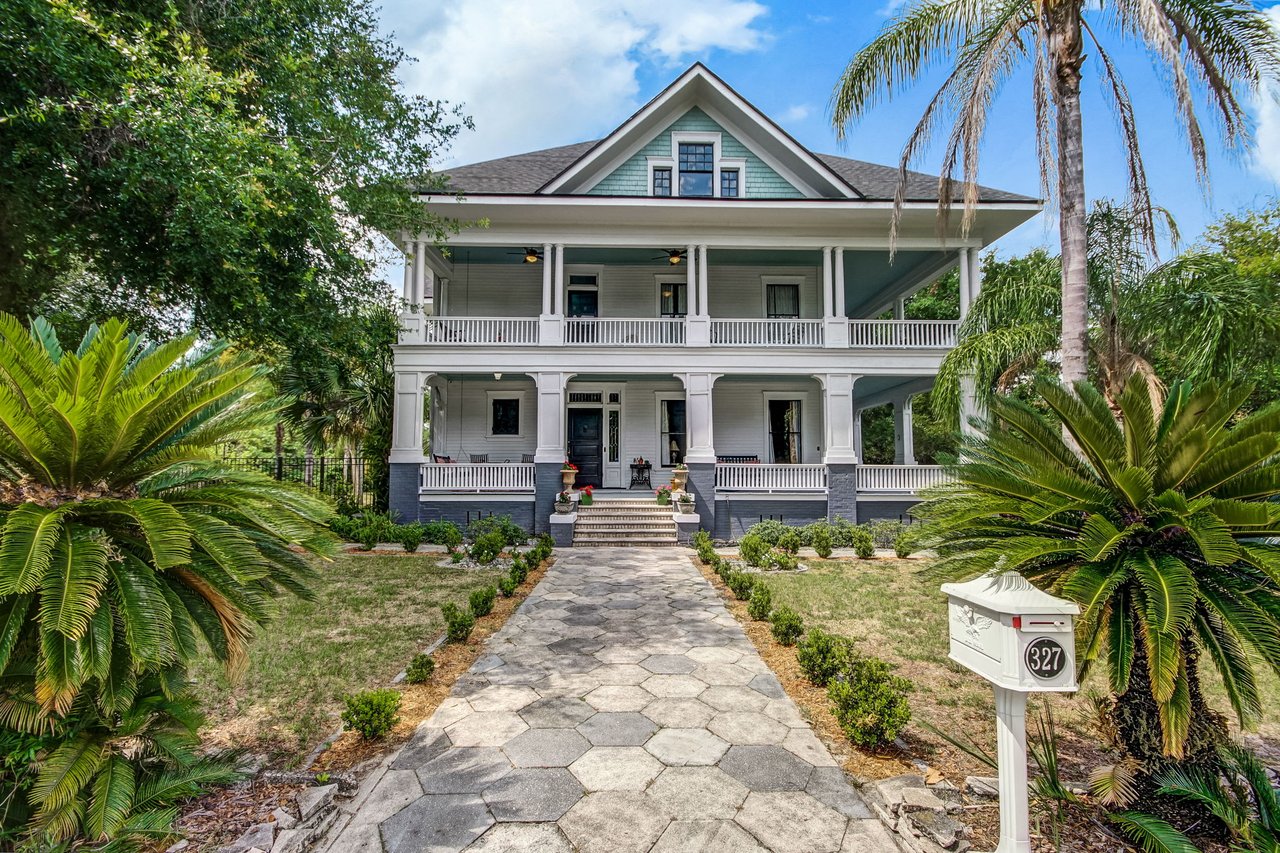
I'll be honest with you upfront: if you're looking for a home that's easy, efficient, and low-maintenance, a historic property is probably not your answer. I say that not to discourage you, but because I've spent enough time in this world, as a broker, as a Historic Preservation Commissioner, and as someone who genuinely loves these buildings, to know that owning one requires a particular kind of person. Not a better person. Just a specific one.
So let me give you the full picture.
The hard truth first.
Historic homes are expensive to own in ways that don't always show up in the purchase price. Insurance is a recurring headache. Carriers are skittish about older construction, and when they do write the policy, you'll feel it. Maintenance is never really done. These homes were built in an era before HVAC was a design consideration, which means heating and cooling them efficiently is an ongoing puzzle, sometimes an expensive one. The bones are old. The systems, electrical, plumbing, mechanical, often are too, and updating them while respecting the integrity of the structure requires contractors who know what they're doing and charge accordingly.
There are functional realities to reckon with as well. Closet space, by modern standards, is almost nonexistent. People of earlier eras simply owned less, and it shows. Off-street parking is frequently scarce or absent entirely. Some things that feel like basics in a newer home are genuine inconveniences in an older one.
I'm not softening any of that. You should go in clear-eyed.
Now, here's what keeps people coming back.
There is a quality to the construction of pre-war homes that you simply cannot manufacture today. The old-growth lumber used in framing, the plaster walls, the solid wood millwork and built-ins are not just aesthetically pleasing. They represent a standard of craft that has largely disappeared from residential construction. When you run your hand along an original heart pine floor, you're touching something that took a century to grow. That matters.
Beyond materials, these homes were designed with a classical understanding of proportion and scale that is genuinely rare in modern construction. Rooms feel right in a way that's hard to articulate but immediately apparent when you walk in. Ceiling heights, window placement, the relationship between spaces. It was all considered in a way that modern production building rarely bothers with. You feel it before you can name it. The only exceptions to this are some custom homes I see in the $1.5M+ price points. So buying a historic home provides a certain level of luxury that you will not find in a comparably priced home.
And then there are the features themselves. The deep front porches built for evening conversation. The porte cocheres that once sheltered arriving guests from the rain. The multiple fireplaces, one in almost every room, were the only heat source in the house and around which entire evenings were organized. These things no longer serve their original purposes. We have central heat now, we pull into garages, we don't sit on the porch the way our great-grandparents did. But they survive as architectural gestures toward a different pace of life, and there is something genuinely romantic about them.
I think about it the way I think about a vintage Aston Martin or an Austin-Healey. No one drives one of those because it's practical. The handling is demanding, the maintenance is relentless, and the parts are hard to find. You drive one because it rewards you in ways that a reliable modern sedan simply cannot. There is feel, and character, and a sense of occasion. The experience of the thing is the point.
Historic homes work in much the same way. The charm is not incidental to the difficulty. In many cases, it's inseparable from it. The exterior walls that make climate control challenging are the same walls that made the home breathable in a hot, humid climate. The original windows that are drafty in January (probably just need to be adjusted) are the same ones with the wavy glass that catches afternoon light in a way no modern replacement can replicate. You don't get one without the other.
Who is this for?
People who can look at a house and see not just what it is, but what it was, and find meaning in that. People who appreciate craft for its own sake. People who understand that a home can have texture and history and atmosphere, and who are willing to invest in preserving those qualities. People who don't need a new construction warranty to feel comfortable. People with some patience, some resources, and a tolerance for the unexpected.
If that sounds like you, then the historic market has something to offer that no new build can touch. If it doesn't, if what you want is something turnkey, energy-efficient, and predictable, that's a completely legitimate preference, and there are plenty of excellent options that will serve you well.
But if you've ever stood in the foyer of a 1920s home and felt something shift, some quiet recognition that this place has a soul, then you probably already know which kind of buyer you are.
My job is just to help you find the right one.

Pricing
Why pricing, not marketing, decides whether a listing sells
What Investors Get Wrong About Historic Home Renovation
Investing
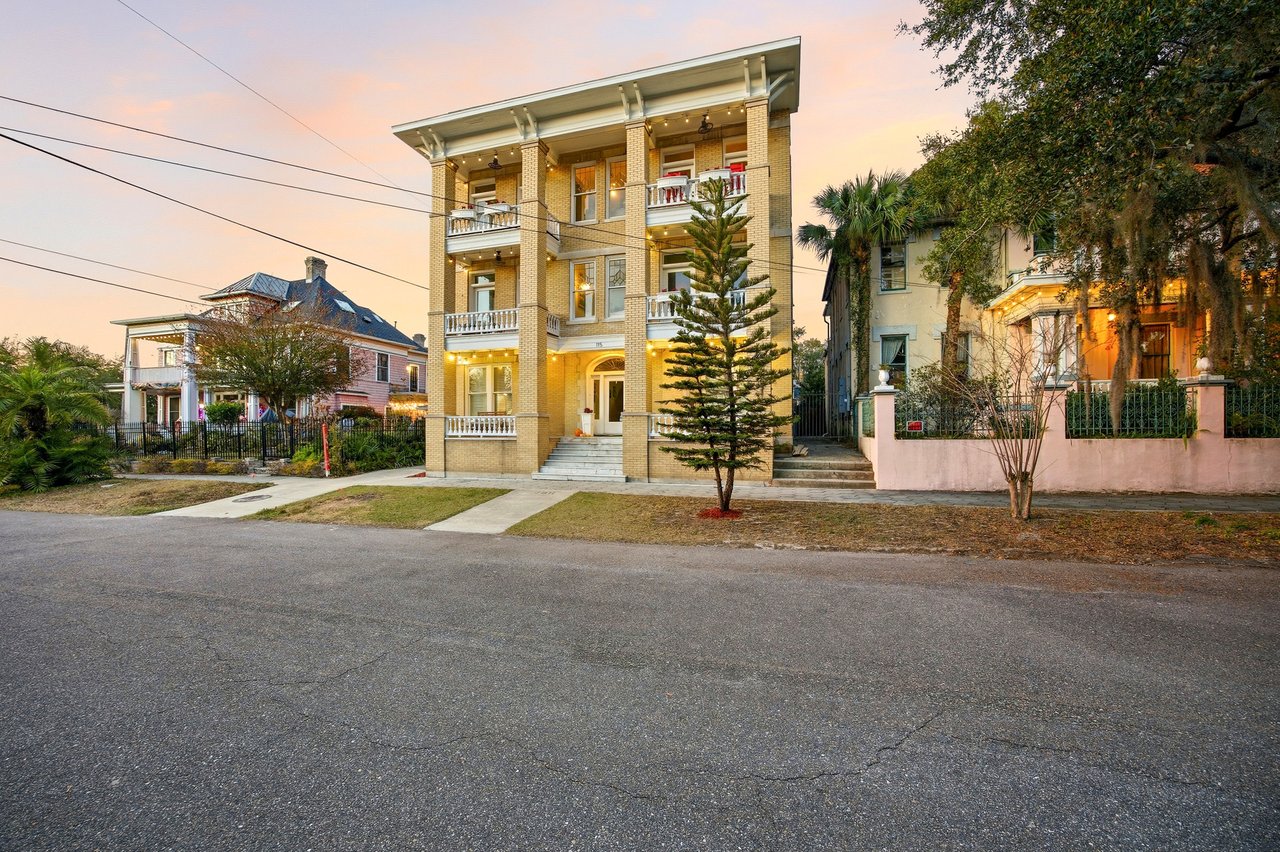
A story about Historic Springfield, what makes a neighborhood turn, and one 1906 brick building that has been waiting patiently for the right person to find it.

Here’s how to move from plan to action.
Belle Epoque Realty offers the very best service possible in terms of communication with clients and overall results. To empower real estate customers with education and choice while elevating the respectability of the profession with high-quality, consistent, and innovative service delivery.