War in Iran Is Pushing Mortgage Rates Higher — What It Means for Jacksonville Buyers and Sellers

What was supposed to be a recovery year for the U.S. housing market is running into an unexpected headwind: the war in Iran.
After years of sluggish sales and home transactions falling to 30-year lows in 2025, economists expected 2026 to bring lower mortgage rates and more homes for sale, finally breathing new life into a market that had been largely frozen by affordability challenges. That optimism hasn't entirely disappeared, but it has taken a real hit.
The day before U.S. strikes began, the average rate on a 30-year fixed mortgage was sitting at 5.99%, according to Mortgage News Daily. It has since climbed to around 6.5%.
Why Does a War in Iran Affect Your Mortgage Rate?
The connection isn't obvious at first glance, but the mechanics are fairly direct. Mortgage rates track the U.S. 10-year Treasury yield, which has climbed as the conflict has sparked concerns about higher inflation. The war has triggered energy price inflation that is dimming the prospects of Federal Reserve rate cuts and keeping borrowing costs elevated. When oil prices rise, broader inflation expectations rise with them, and that makes bond investors demand higher yields, which pushes mortgage rates up.
The rate jump isn't just a number on a spreadsheet. On a $450,000 home with a 20% down payment, a buyer who locked in a 30-year fixed rate one month ago would pay about $1,120 less per year than someone securing a rate today, amounting to more than $33,000 over the life of the loan.
For Buyers: Recalibrate, Don't Retreat
The instinct when rates rise is to wait. But waiting carries its own costs.
Mortgage applications for home purchases dropped 5% from the prior week as rates climbed, which means some of your competition is stepping back. That's not necessarily bad news for the buyers who stay engaged. Less competition can mean more negotiating room, more time to conduct due diligence, and sellers who are more willing to negotiate on price or terms.
Some analysts note that rising rates can actually encourage serious buyers to lock in sooner, before costs rise further. The buyers who move decisively in uncertain markets are often the ones who look back a year later and feel good about their timing.
For buyers targeting Jacksonville's historic neighborhoods, Springfield, Riverside, and Avondale, the calculus has an added dimension. Inventory in those districts has always been constrained by the finite number of architecturally significant homes. The right property doesn't wait for the Fed. If you find a home that fits your life and your budget at today's rates, the question worth asking is: what is it worth to you to own it?
For Sellers: Pricing Precision Is Now Non-Negotiable
Higher rates compress buyer purchasing power, and that reality has to be reflected in how sellers approach the market. The Mortgage Bankers Association recently downgraded its outlook for home sales, with one economist noting the forecast for 2026 sales growth dropped from an expected 8% increase to closer to 5%. Softer demand means buyers are doing the math more carefully and walking away more readily when a property feels overpriced.
This isn't a market where wishful pricing gets corrected over time through a bidding war. It gets corrected through extended days on market, price reductions, and stigma. Sellers who price sharply from day one based on what today's buyers can actually finance, not what a neighbor sold for six months ago, will move their properties. Those who don't will watch them sit.
The silver lining for sellers is that the same uncertainty keeping some buyers cautious is also keeping potential competing inventory off the market. The combination of higher rates and economic uncertainty is reversing what was expected to be a recovery year, but that cuts both ways: fewer motivated sellers means less competition for your listing if you're priced right.
The Bottom Line
Geopolitical events don't change the fundamentals of why people buy and sell homes, such as life circumstances, growing families, job changes, and estate transitions. What they change is the environment in which those decisions get made. In this one, both buyers and sellers benefit from working with someone who understands not just the market, but the mechanics behind what's moving it.
If you're wondering how the current rate environment affects your specific situation, let's talk.

Pricing
Why pricing, not marketing, decides whether a listing sells

What Investors Get Wrong About Historic Home Renovation
Investing
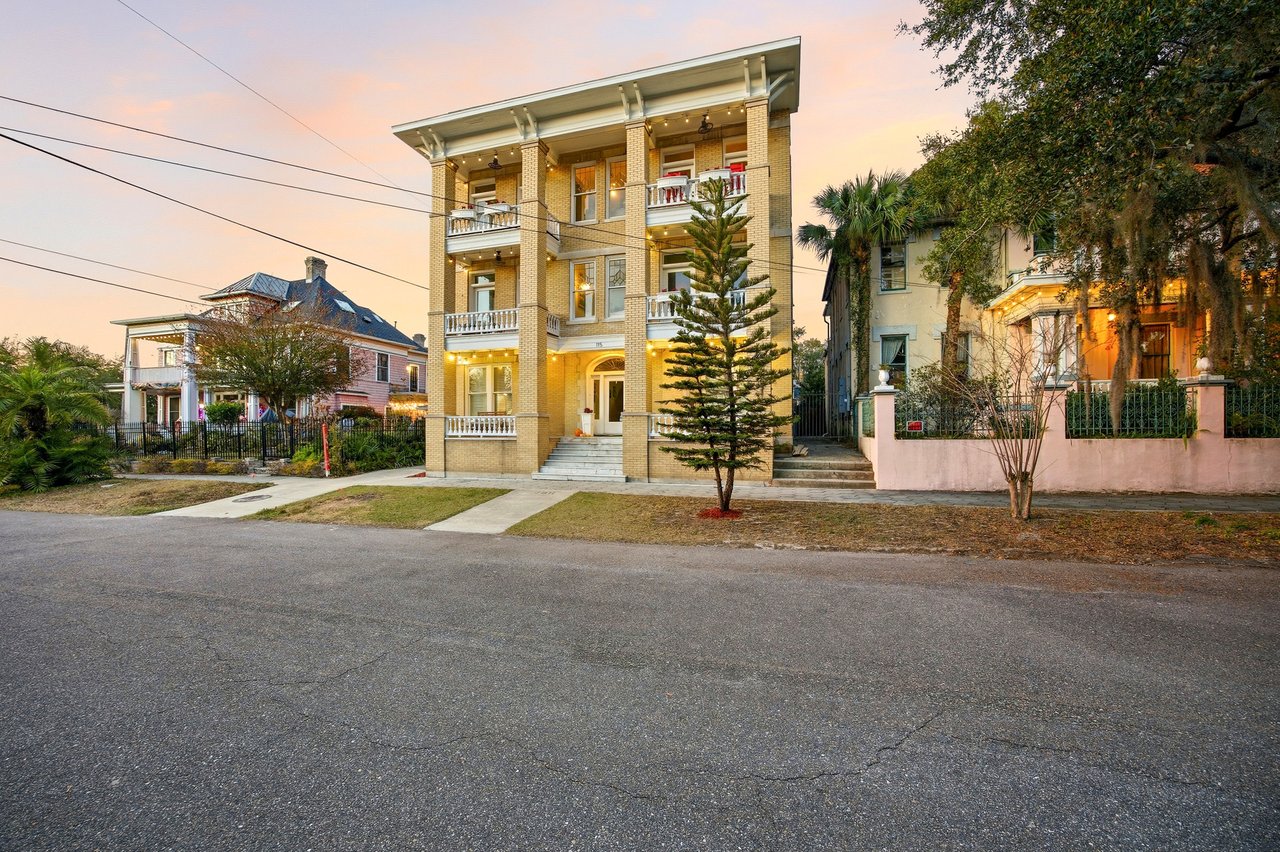
A story about Historic Springfield, what makes a neighborhood turn, and one 1906 brick building that has been waiting patiently for the right person to find it.

Here’s how to move from plan to action.
Belle Epoque Realty offers the very best service possible in terms of communication with clients and overall results. To empower real estate customers with education and choice while elevating the respectability of the profession with high-quality, consistent, and innovative service delivery.